
By Jamel Hamdaoui & Sofia Berrabah
On February 11, 2025
Why Sapphirine is One of the Rarest and Most Fascinating Gemstones
In the world of precious stones, some gems remain relatively unknown, although their beauty and rarity arouse admiration. Sapphirine is one of these rare stones that fascinate with its distinctive characteristics and brilliance. Less famous than sapphire, it stands out for unique aspects that make it a real treasure for collectors and lovers of precious stones. Discover what makes it special and why it deserves your full attention.
A Rare Gemstone
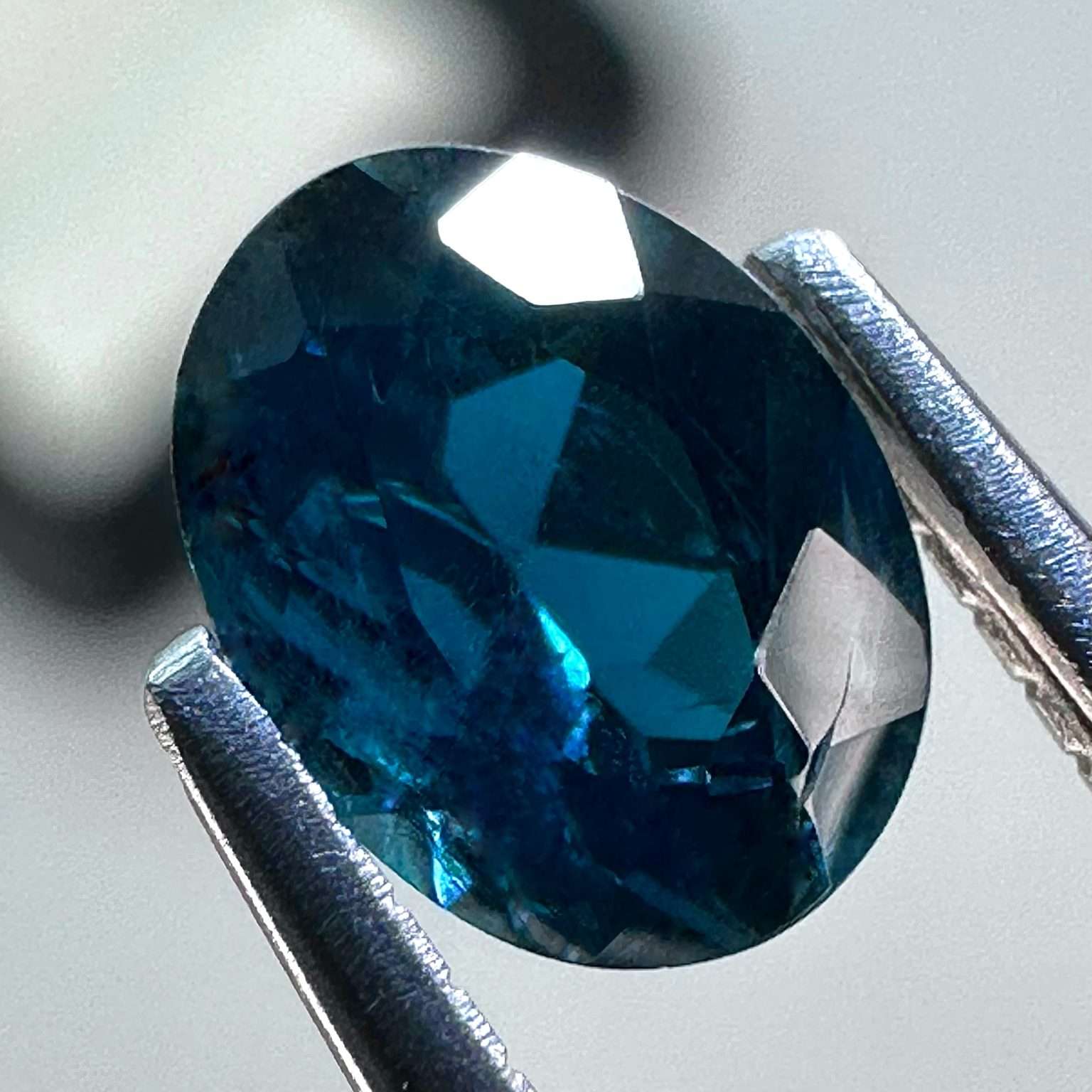
Sapphirine is a rare stone due to its unique geological formation. It is usually found in very special conditions, requiring special temperatures and pressures deep within the Earth. Due to its chemical composition, it is distinguished from other stones in the corundum family, such as sapphire. Its crystallization can be influenced by special inclusions, making it difficult to extract and identify. When it is cut into facets, it becomes even more valuable, as these specimens are even rarer to find. This contributes to its value on the market.
An Indispensable Stone For Collectors
Acquiring a sapphirine is a wise choice for discerning collectors. Its incomparable beauty and geological rarity make it a sought-after stone, whose value continues to grow. This precious stone stands out as an elegant investment, both refined and promising. For those looking for a quality heritage, this jewel represents a unique and lasting opportunity to enrich a collection.
Identifying Authentic Sapphirine
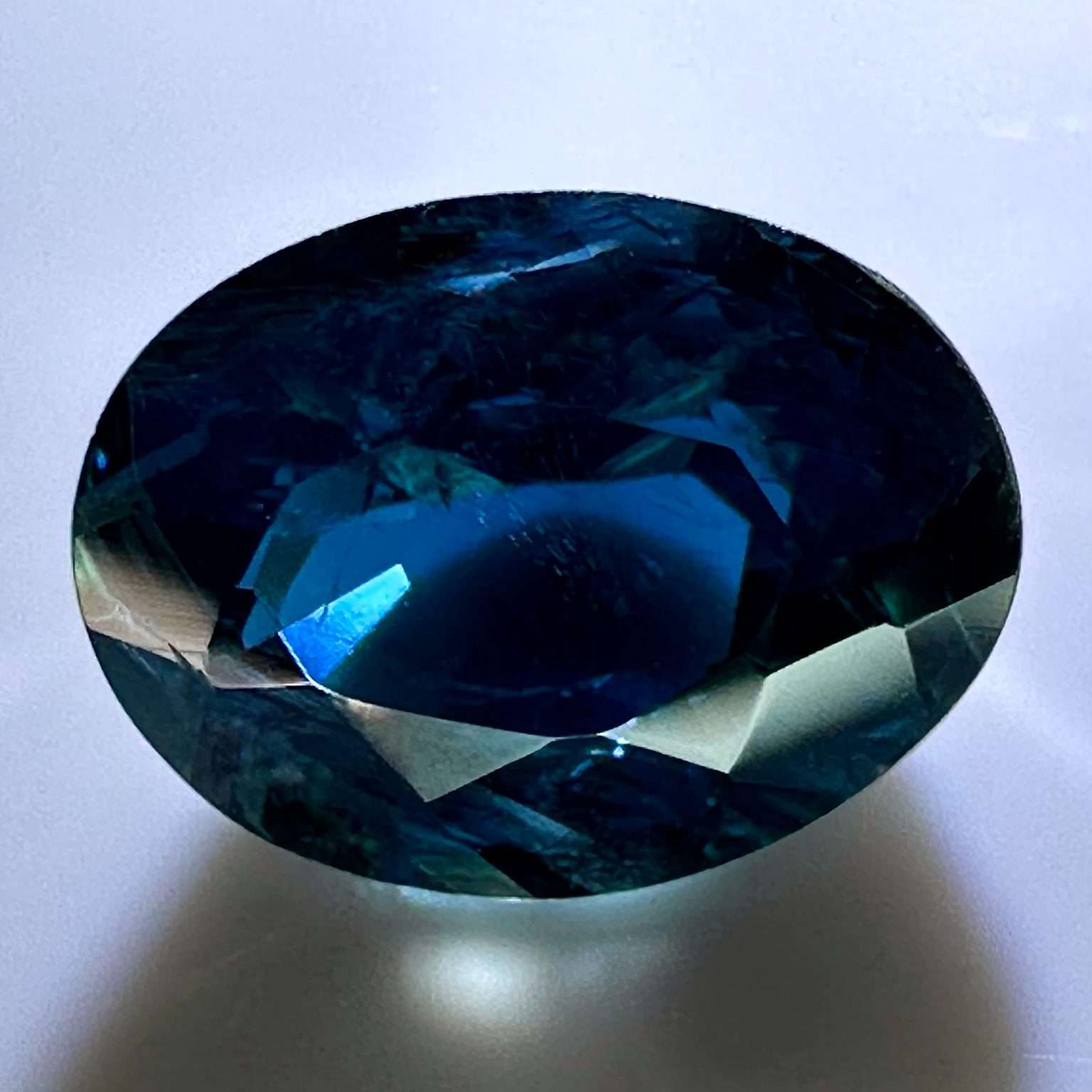
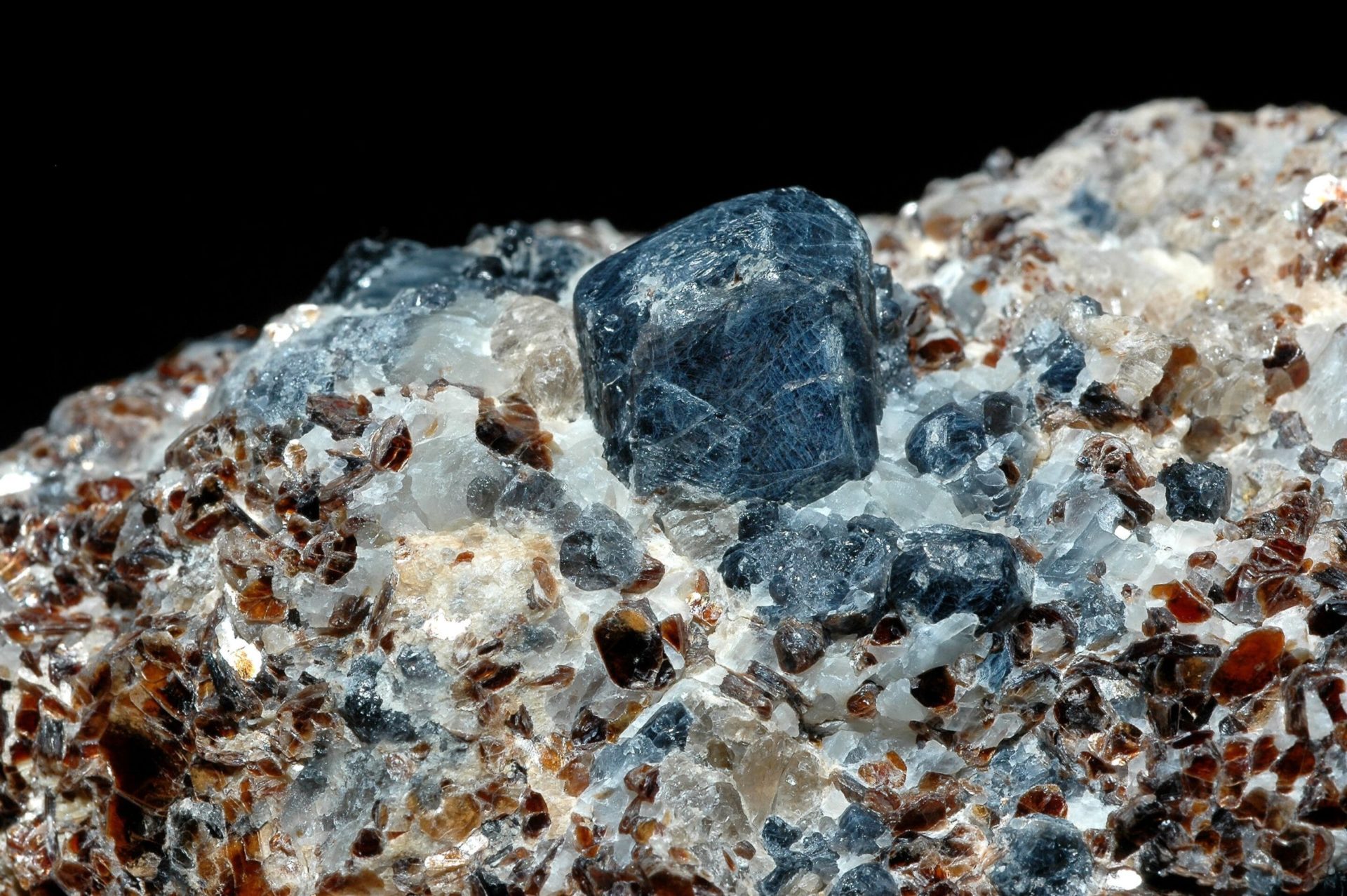
First, the crystal structure must be examined: genuine sapphirines are usually irregular and have slightly rounded edges. The typical colour of sapphirine is a dark blue, sometimes with subtle nuances. Malagasy crystals, especially those from the Morfeno region, are particularly sought after. In case of doubt, a laboratory analysis remains the most reliable method to confirm the authenticity and provenance of the stone. A professional gemologist can also provide a detailed expertise.
Use of Sapphirine in Jewelry
Sapphirine is a highly sought-after gemstone for luxury jewelry. Due to its rarity, it is often used in unique creations, including personalized rings, earrings, and pendants. Its deep blue hue gives it an elegant and refined appearance. Jewelry with sapphirine is considered prestigious and exclusive, making it the ideal choice for those looking for distinctive gemstones with timeless charm.
Sapphirine Care Tips
To preserve the shine and durability of your sapphirine jewelry, it is advisable to clean it regularly with lukewarm water and mild soap. We recommend that you avoid prolonged exposure to chemicals or heat sources. In addition, it is also advisable to store it in a separate box or compartment to avoid scratches caused by contact with other jewelry.
Physical Properties of Sapphirine:
- Chemical composition: Magnesium aluminum silicate.
- Hardness (Mohs scale): 7.5.
- Density: 3.54 – 3.51 and its line is colorless to white.
- Cleavage: Cleavage practically absent
- Crystal system: Monoclinic.
- Luster: Vitreous.
- Color: Sapphirine is known for its bright blue color, often comparable to that of sapphires. However, its hue can vary, ranging from blue to bluish green, through shades of green, gray, or brown. These color variations are due to different substitutions of elements in its crystal structure.
Optical Properties of Sapphirine:
- Refractive Index: Varies between 1,701 et 1,718, the refractive index may be a little higher for some darker colored specimens like brownish green for example.
- Birefringence: 0,006 à 0,007, This phenomenon can result in a doubling of images under a polarizing microscope, which is characteristic of monoclinic crystals such as sapphirine.
- Pleochroism: Low to moderate. The Sapphirine exhibits an interesting pleochroism, which means that its color varies depending on the angle from which it is viewed. In some cases, the phenomenon can be particularly pronounced, with shades ranging from colorless to pale yellow, from lavender blue or bluish green to dark blue. This change in color depending on the orientation adds a fascinating dimension to this gemstone.
- Dispersion: Relatively weak, comparable to that of sapphire
- Fluorescence: None
- Transparency: From translucent to transparent
Some buying tips:
Sapphirine is highly prized in luxury jewelry due to its rarity and unique visual appearance. The provenance of the stones can affect the value, especially if they come from regions known for producing high-quality crystals.
- Color: Sapphirine ranges in color from blue to greenish blue, through shades of green, gray, or brown. A rich, uniform color increases the value of the stone.
- Clarity: Like many gemstones, sapphirine may contain natural inclusions. Clear, well-transparent specimens are more sought after, especially for faceted stones.
- Cut: A well-cut is essential to maximize the brilliance and light dispersion of sapphirine. Cut plays a crucial role in the overall beauty of the stone.
- Carat Weight: Larger, particularly well-cut stones are rare and more expensive. Carat weight will therefore influence the price.
- Optical Phenomena: Some sapphirines may exhibit special phenomena, such as asterism (the star effect) when cut en cabochon.
- Precautions against imitations and treatments: Natural sapphirine is rarely treated. Heat treatments or other treatments are less common for this stone, but it is always recommended to have a gemological expertise to confirm the provenance and the absence of treatment.
- Luster and transparency: The vitreous to sub-adamantine luster of sapphirine adds to its appeal. Its transparency plays a key role in its overall brilliance.
- Optical properties: Pleochroism (color change depending on the angle) and birefringence (doubling of images under a polarizing microscope) are fascinating characteristics that make sapphirine even more captivating for experts.
*If you want to buy a quality sapphirine, choose stones from Madagascar, particularly the Morfeno region, which is known for producing the most beautiful and sought-after crystals. To ensure its authenticity, be sure to check its refractive index and, if necessary, have it examined by a professional gemologist. These steps will help you make an informed choice and invest in an authentic and precious stone.
NEWSLETTER
Subscribe to the newsletter to receive our next wonders.