The 4Cs of Diamonds: The Essential Guide to Making the Right Choice
In this guide, we invite you to discover the 4Cs : Carat, Cut, Color, and Clarity - the internationally recognized criteria that define a diamond’s value and beauty.
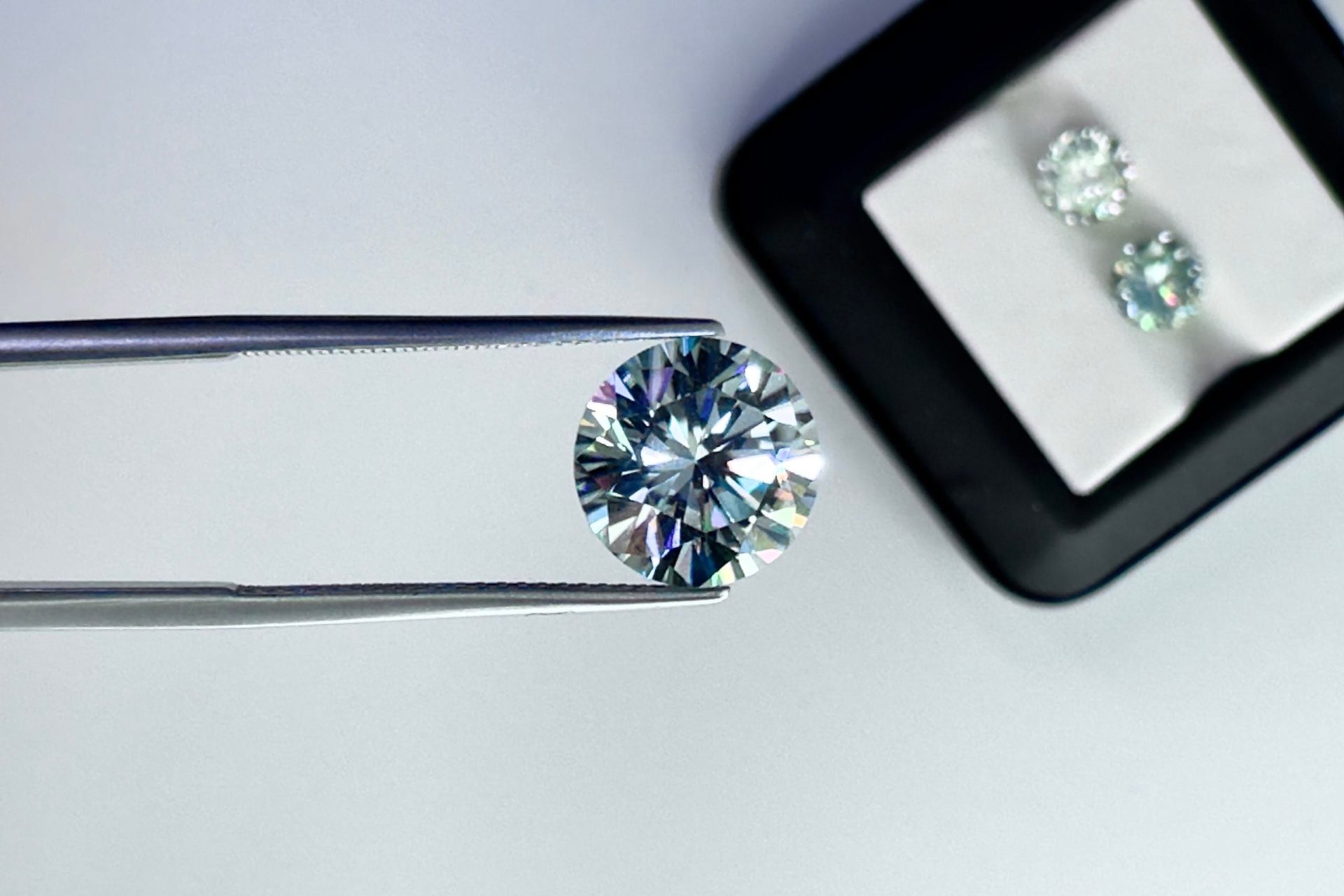
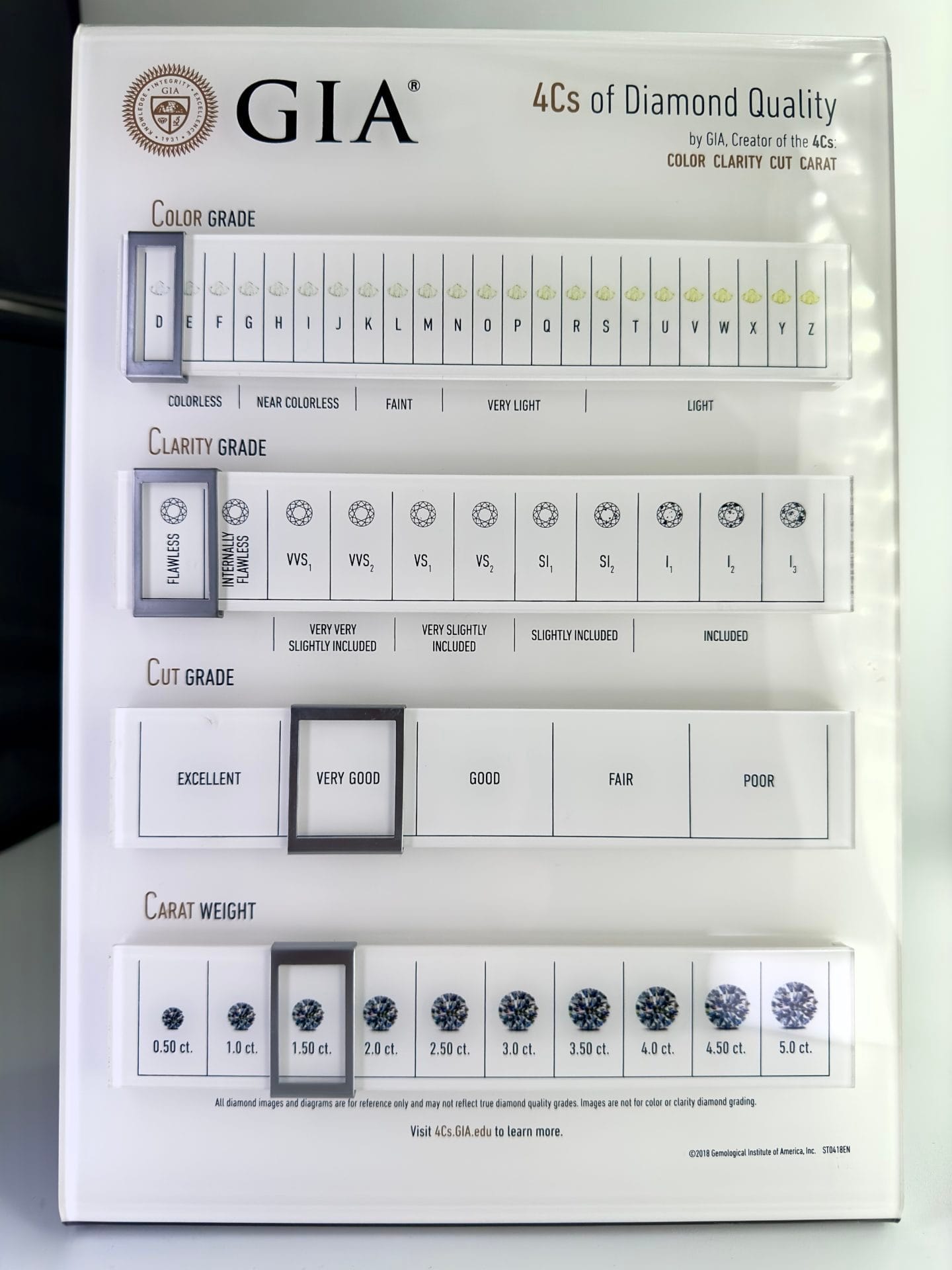
A diamond’s evaluation is based on four fundamental criteria, internationally known as the 4Cs.
What Are the 4Cs of a Diamond?
- Color: the color
- Clarity: the clarity
- Cut: the cut
- Carat: the weight
These four factors determine a diamond’s overall quality, beauty, and market value.
Color — A Diamond’s Hue
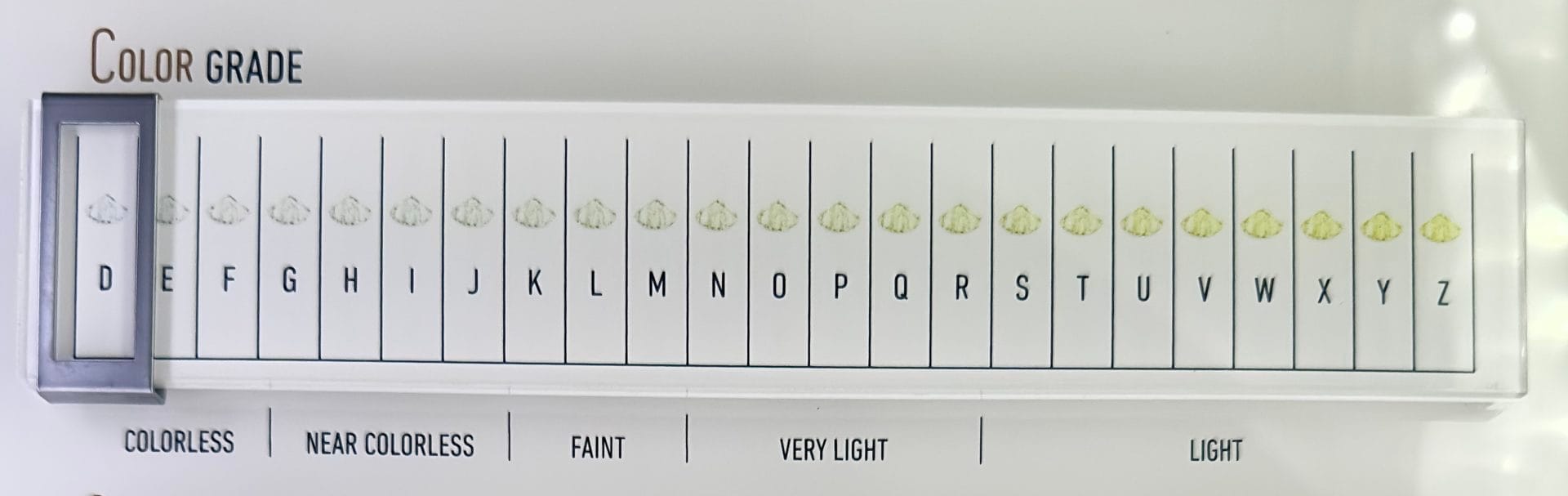
The color of a white diamond refers to the absence of color. The more colorless a diamond is, the rarer and more valuable it becomes. Even a subtle hint of yellow or brown can affect its worth.
The GIA grades diamond color on a scale from D (completely colorless) to Z (noticeable yellow or brown tint). Diamonds graded D to F are considered colorless, while those from G to J are classified as near-colorless — a distinction often invisible to the naked eye, especially once the diamond is set in jewelry.
It’s also worth noting that the perceived color can be influenced by the metal used in the setting (such as white gold, yellow gold, or platinum). Choosing the right combination can help enhance the look of a slightly tinted diamond while optimizing value.
Clarity — The Purity of a Diamond
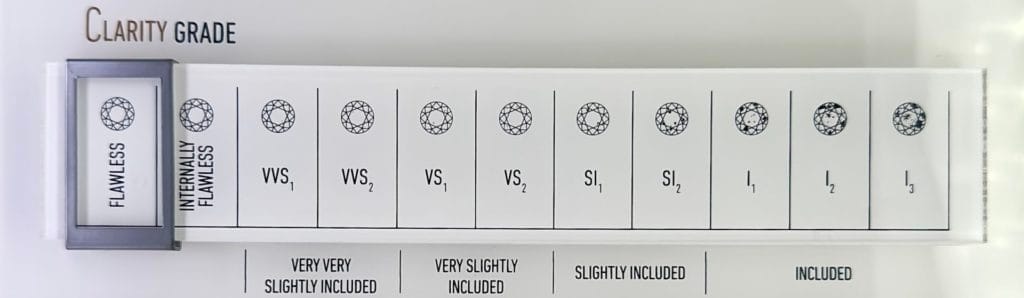
A diamond’s clarity refers to its degree of internal perfection. It is determined by the presence of inclusions (internal imperfections) and blemishes (surface flaws), both of which are naturally formed during the diamond’s crystallization process.
The purer the diamond, the more freely light can pass through it, enhancing its brilliance. Clarity is graded on a scale established by the GIA (Gemological Institute of America), ranging from FL (Flawless) — with no imperfections visible under 10x magnification — to I (Included), where inclusions are visible to the naked eye.
It’s worth noting that many inclusions are microscopic and do not affect the diamond’s beauty to the unaided eye. A well-balanced choice between clarity and price is often possible, depending on how the diamond will be used.
Cut — The Craftsmanship of a Diamond
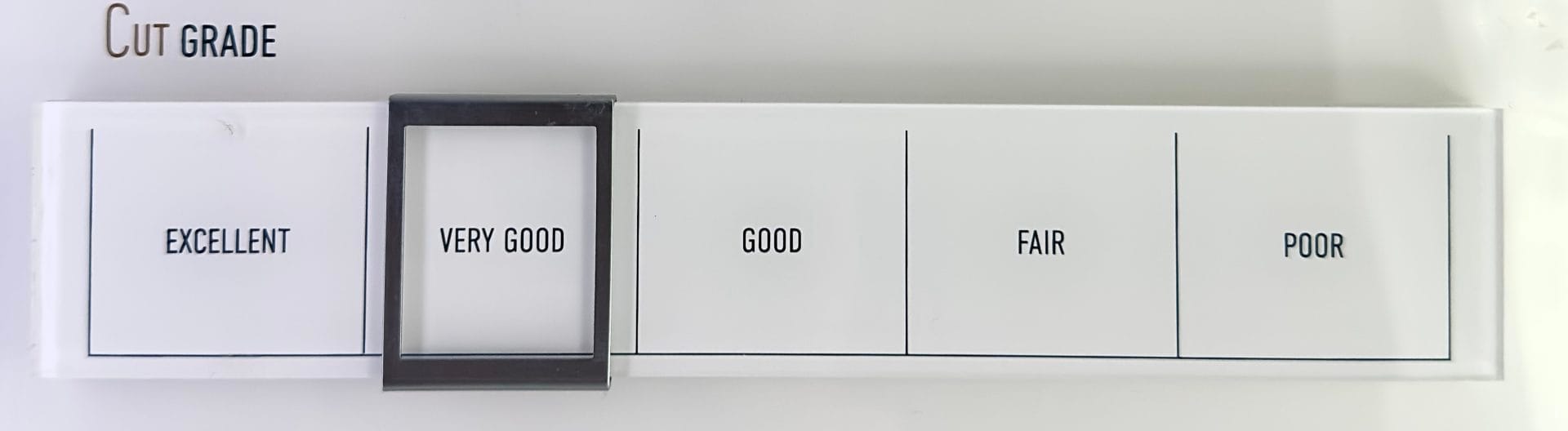
Cut is the only one of the 4Cs that is entirely determined by human skill. It refers to how a diamond has been shaped, proportioned, and polished to maximize its brilliance and light performance.
A well-cut diamond allows light to enter through the top, reflect internally, and return through the surface with maximum sparkle. In contrast, a cut that is too deep or too shallow will cause light to escape, reducing the diamond’s brilliance — even if the stone is perfectly colorless or flawless.
The GIA grades the cut of round diamonds based on multiple factors, including proportions, symmetry, and polish quality, using a scale from Excellent to Poor.
Cut quality has a direct impact on a diamond’s visual appeal, often outweighing other factors like weight or color when it comes to overall beauty.
Carat — The Weight of a Diamond
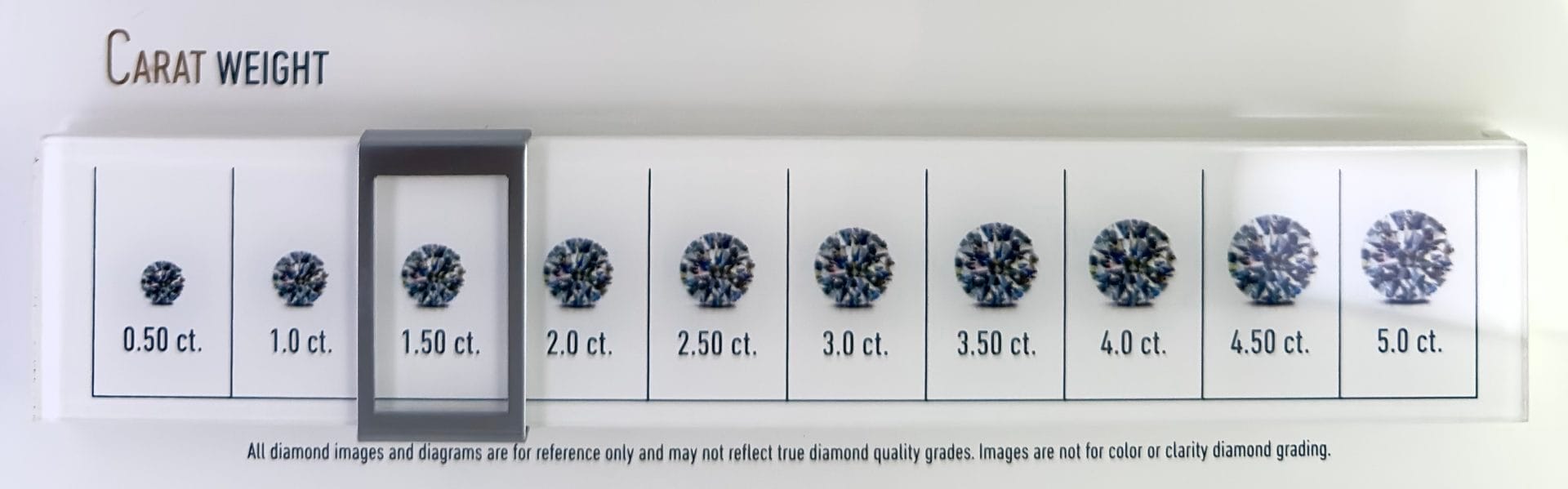
Carat is the unit of measurement used to define a diamond’s weight. One carat is equal to 0.20 grams. While commonly associated with size, carat refers strictly to weight — not to the diamond’s visible dimensions.
The heavier the diamond, the rarer and more valuable it tends to be. However, two diamonds with the same carat weight can differ significantly in price and appearance depending on their clarity, color, and cut quality. That’s why carat should never be evaluated on its own.
In fact, a well-cut 1-carat diamond can often appear brighter and more balanced than a larger stone with poor proportions. Ultimately, the quality of the cut plays a key role in how a diamond is perceived — regardless of its weight.
The Role of the Setting: When Jewelry Enhances the Diamond
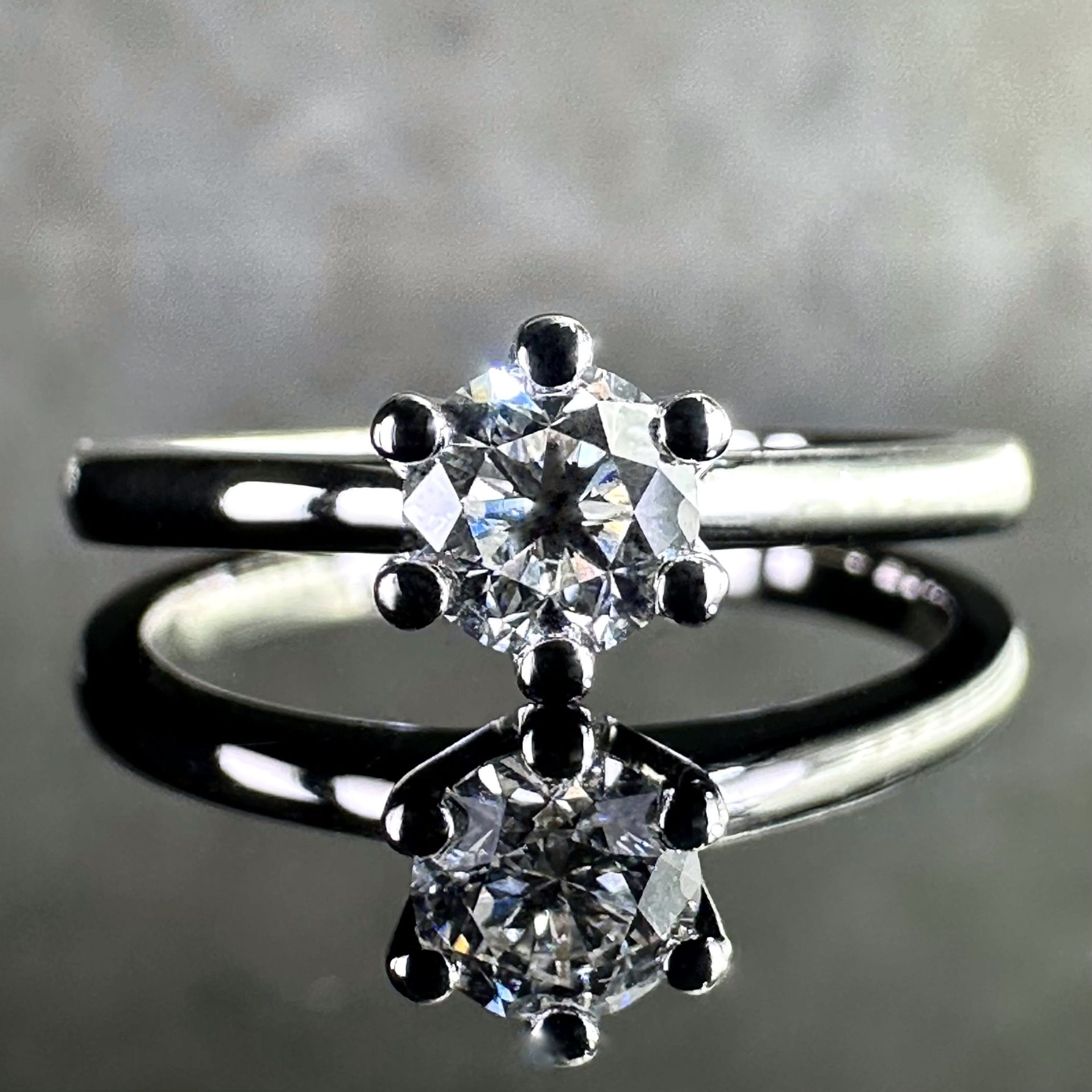
A diamond — no matter how exceptional — reveals its true brilliance only when set in a carefully crafted piece of jewelry. The setting plays a vital role in how the stone is perceived: it influences its sparkle, its apparent color, and even its visual size.
Here are a few key examples:
A setting in white gold or platinum enhances the purity of a colorless diamond and intensifies its brilliance.
Yellow gold can add a warm contrast and subtly soften the tone of a slightly tinted diamond.
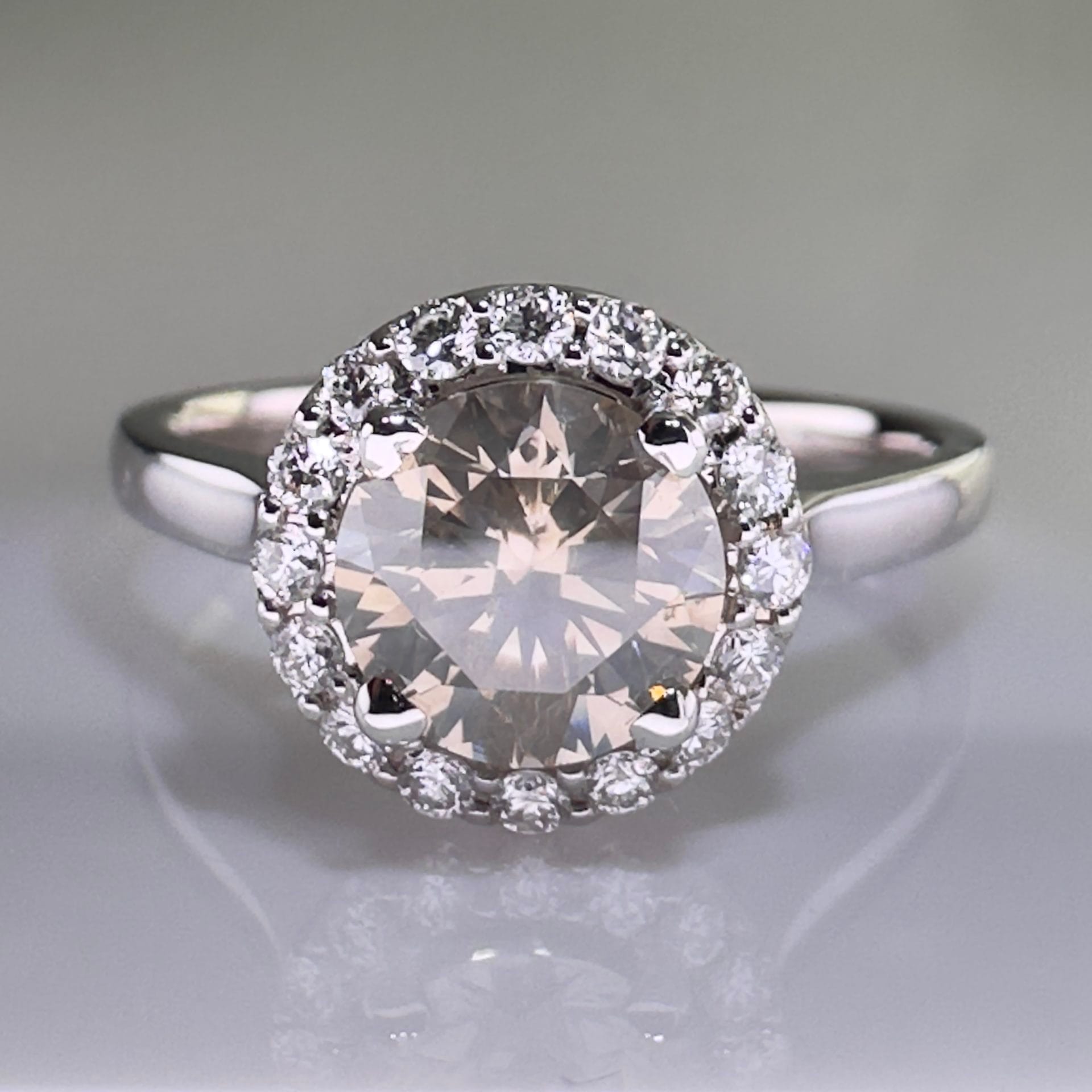
A halo setting (a circle of small diamonds around the center stone) creates the illusion of greater size and boosts overall sparkle.
A minimalist, delicate design draws attention to the diamond’s proportions and shape.
Each piece of jewelry is a stage that brings out the diamond’s natural beauty. A well-designed setting is tailored to highlight the stone’s cut, light, and elegance.


Jamel Hamdaoui
Expert Gemologist
Founder of Jamel Gems and a certified gemologist, Jamel Hamdaoui has over 9 years of experience in the study and evaluation of precious stones. His passion for gemology, combined with deep expertise, makes him a trusted and respected figure in the field. He pays close attention to every detail to offer his clients carefully selected gems that reflect their tastes and expectations.
NEWSLETTER
Subscribe to the newsletter to receive our next wonders.